What You Should Learn About Pipe Trenching Services: An In-depth Overview of Available Options
Pipe trenching services are essential for the installation and maintenance of underground energies. They include various techniques tailored to particular demands and settings. Recognizing these methods is vital for reliable job implementation. Each alternative provides its own collection of benefits and difficulties. As the demand for effective utility management boosts, understanding what to take into consideration when picking a trenching service comes to be imperative. What variables should one prioritize to assure success?
Recognizing Pipe Trenching: What It Is and Why It Matters
Usually ignored, pipe trenching is an important process in numerous building and construction and energy tasks. This strategy entails excavating narrow trenches to facilitate the installation of pipes for water, gas, sewage, and telecoms. The significance of pipe trenching copyrights on its role in ensuring that these necessary systems are correctly incorporated into framework, making it possible for the secure and effective distribution of required services.Proper trenching is essential for maintaining the stability of pipelines and lessening dangers associated with soil erosion and collapses. It additionally allows for reliable examinations and maintenance of below ground energies. Furthermore, understanding the local regulations and ecological considerations is essential, as improper trenching can result in costly delays and legal problems. Eventually, pipe trenching acts as the foundational action that supports numerous building and construction ventures, making it a significant aspect of contemporary framework development.
Usual Trenching Approaches for Underground Energies
In the domain of underground utilities, numerous trenching methods play a crucial duty in installment and upkeep - Creek Pipe roustabout. The open-cut trenching approach, directional boring technique, and hydro excavation procedure each deal one-of-a-kind advantages depending on the specific job needs. Comprehending these techniques is vital for efficient and efficient energy administration
Open-Cut Trenching Method
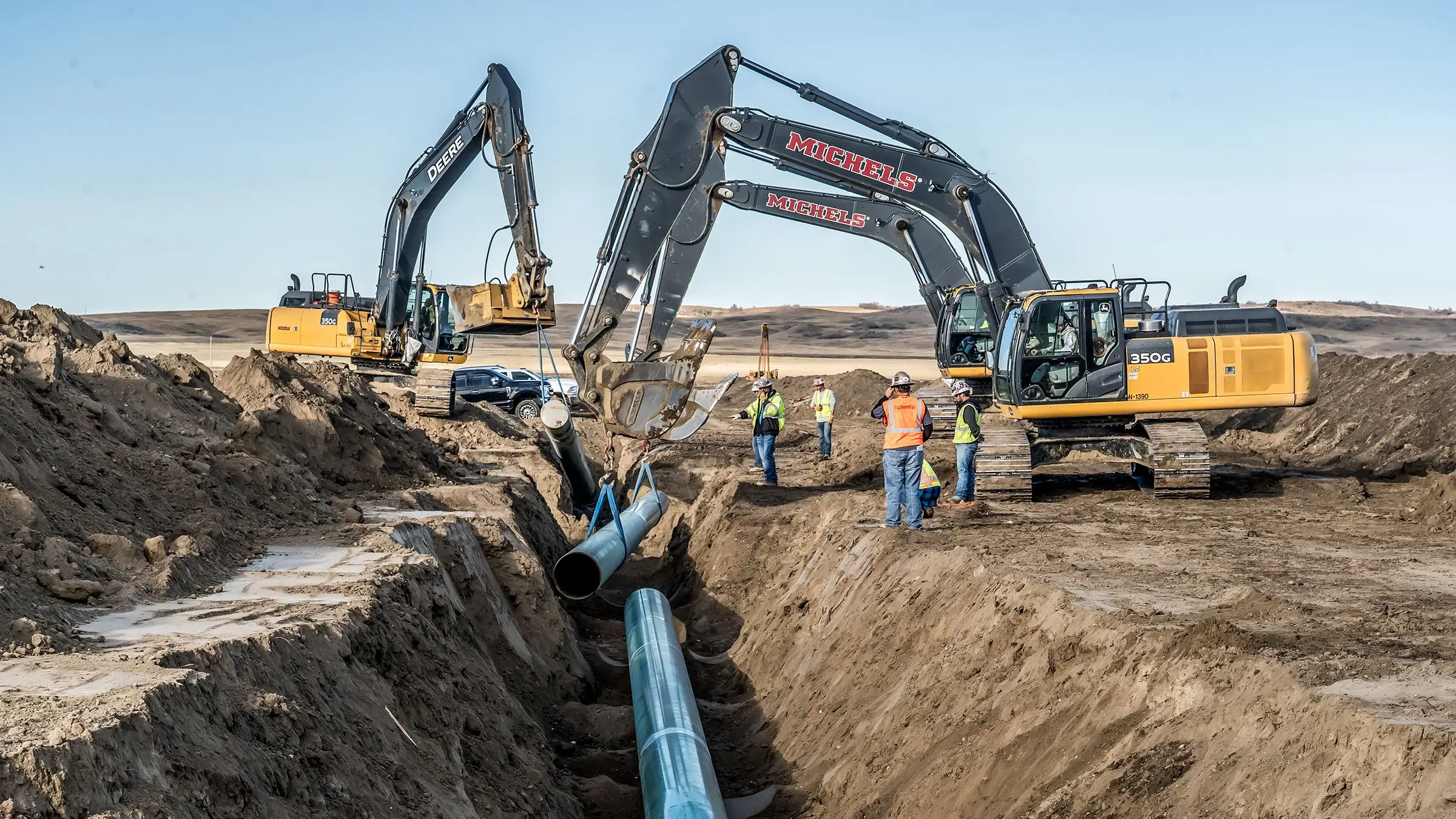
Open-cut trenching is a widely made use of technique for setting up underground utilities, especially when the depth and size of the trench enable for efficient access. This technique entails digging deep into a trench along the suggested path of the utility, giving straight presence and accessibility for installment. It is specifically beneficial for tasks that require substantial excavation, as it facilitates quick installation and evaluation. However, it likewise requires cautious preparation to lessen interruption to the surrounding location, consisting of website traffic and existing structures. Open-cut trenching is most efficient in open areas where the soil conditions agree with, however it may be limited in metropolitan atmospheres as a result of the visibility of existing utilities and other below ground challenges.
Directional Boring Method
Hydro Excavation Process
How does hydro excavation attract attention among usual trenching techniques for underground energies? Hydro excavation utilizes high-pressure water and vacuum innovation to securely remove soil, permitting specific excavating around sensitive underground energies. This approach decreases the risk of harmful existing framework contrasted to standard mechanical excavation. By using water to loosen the soil, hydro excavation provides a much less invasive strategy, reducing the capacity for soil compaction and making sure a cleaner worksite. Furthermore, the process improves exposure throughout excavation, enhancing total accuracy and performance. Hydro excavation is specifically helpful in city locations where utility lines are densely loaded, making it a preferred choice for contractors focused on safety and security and precision in underground projects.
Advantages of Trenching Solutions
While numerous approaches exist for setting up underground utilities, trenching solutions use distinctive benefits that make them a preferred choice for many tasks. One substantial benefit is the cost-effectiveness of trenching, as it normally needs less customized devices compared to choices like hydro excavation. This often leads to reduced labor and operational costs. Additionally, trenching can accommodate a broad variety of energy kinds, including water, drain, and gas lines, providing adaptability for contractors.Moreover, trenching permits for effective access to multiple lines in a solitary excavation, lessening disturbance to the surrounding location. The process likewise enables precise setup and repair service, which is important for adhering to governing requirements and guaranteeing long-lasting integrity. Eventually, trenching can be implemented fairly swiftly, reducing job timelines and permitting for faster service restoration. These advantages jointly make trenching solutions a sensible option for several underground utility projects.
Drawbacks and Challenges of Trenching
Regardless of the numerous benefits of trenching solutions, there are remarkable negative aspects and obstacles that must be thought about. One considerable challenge is the possibility for soil instability, which can cause cave-ins, posturing threats to employees and devices. Furthermore, trenching can disrupt existing utility lines, demanding cautious preparation and control to avoid service disruptions. The procedure can also be lengthy, particularly in urban areas where space is restricted and access is restricted. Trenching might require considerable permits and regulatory compliance, including complexity and possible delays to jobs. Ecological issues, such as soil erosion and damage to neighborhood ecological communities, can occur from incorrect trenching techniques. Ultimately, the expenses related to trenching, including labor and tools, can escalate if unanticipated issues develop during the project, making it important for stakeholders to consider these difficulties versus the benefits when considering trenching services.
Key Aspects to Take Into Consideration When Picking a Trenching Solution
Choosing the appropriate trenching service can considerably impact the success of a task. Several crucial factors should be evaluated to guarantee an appropriate option. First, the company's experience and expertise in trenching procedures are crucial; a reputable service with a solid track document is typically more dependable. Next off, evaluating the tools used is essential, as contemporary machinery can enhance efficiency and precision. In addition, it is substantial to consider the variety of services used, consisting of excavation depth and dirt kind handling, to confirm they satisfy particular job requirements.Another factor to review is the company's reputation; customer reviews and reviews can supply understandings right into previous efficiency. Obtaining in-depth quotes that lay out costs and timelines will certainly aid in budget monitoring. Ultimately, confirming conformity with regional policies and market criteria is essential for preventing prospective lawful issues. By assessing these additional hints aspects, clients can make a notified choice when choosing a trenching service.
Security Measures in Pipe Trenching
In pipe trenching, precaution are crucial to ensuring employee defense and site integrity. Key elements consist of making use of personal safety tools, extensive excavation website evaluations, and distinct emergency reaction methods. Implementing these procedures greatly minimizes dangers linked with trenching procedures.
Personal Safety Devices
Security in pipe trenching greatly counts on the proper use of personal safety equipment (PPE) Workers should wear difficult hats to secure against dropping items, along with high-visibility vests to boost their presence on-site. Steel-toed boots are essential for foot protection versus heavy tools and materials. Furthermore, handwear covers are very important for hand security, specifically when managing rough or sharp items. Respirators might likewise be essential in atmospheres with dust or harmful fumes. Eye security, such as security goggles, should be put on to protect against debris. Listening to security is necessary in loud job atmospheres. By adhering to PPE guidelines, workers can greatly reduce the threat of injury and assure a safer trenching operation.
Excavation Website Evaluation
Appropriately checking the excavation website is a basic step in ensuring a safe pipeline trenching procedure. This procedure involves evaluating the website for potential dangers such as underground utilities, unpredictable soil problems, and nearby structures. A thorough analysis enables the recognition of risks that could endanger employee safety. Additionally, validating the dirt kind and moisture levels can assist determine appropriate shoring techniques to stop trench collapses. It is essential to ensure that the website is free from debris which correct signage is presented to inform employees of continuous procedures. Normal examinations throughout the task can likewise aid identify any kind of adjustments in website conditions, allowing timely modifications to security actions and work protocols.

Emergency Situation Response Protocols
Emergency situation response procedures are essential in mitigating dangers connected with pipeline trenching procedures. These protocols assure that all employees are prepared to act promptly and effectively in emergency situations. Crucial element include regular safety drills, clear interaction channels, and marked fire escape. Additionally, first-aid packages and copyright numbers need to be readily obtainable on-site. Trenching operations must additionally include procedures for dealing with dangerous circumstances, such as cave-ins or energy strikes. Training employees on acknowledging potential dangers and understanding their duties throughout an emergency situation is vital. Moreover, maintaining an updated site security strategy can greatly improve response effectiveness. Generally, efficient emergency situation preparedness fosters a safer working setting and lessens the impact of unanticipated cases.
Expense Factors To Consider for Trenching Services
Understanding the financial ramifications of trenching services is important for task planning and budgeting. The expenses connected with trenching can differ extensively based on several variables, including project dimension, soil type, and deepness of the trench. Labor expenses frequently represent a considerable part of the complete expenditure, as knowledgeable drivers are essential for effective execution. Furthermore, equipment rental costs can add to the overall budget, especially for specialized machinery.Site ease of access is another essential element; hard surface may necessitate added sources, raising costs. Allowing and governing compliance can additionally include in expenses, specifically in metropolitan locations where regulations are stringent.Lastly, unpredicted problems, such as coming across existing utilities, can result in unforeseen costs and hold-ups. As a result, obtaining thorough estimates from credible trenching provider is vital for exact budgeting and making certain successful job completion.
Frequently Asked Questions
How Long Does a Common Pipe Trenching Job Take?
The duration of a common pipe trenching task differs considerably based upon elements such as depth, soil problems, and project complexity. Usually, it can take anywhere from a few days to a number of weeks to complete.
What Devices Is Frequently Used in Pipe Trenching?

Exist Environmental Laws for Trenching Activities?
Environmental policies for trenching tasks commonly call for conformity with local, state, and federal standards. These laws aim to minimize environmental disruption, protect water sources, and assurance correct waste management during excavation and setup processes.
Can Trenching Solutions Be Integrated With Other Construction Jobs?
Trenching services can without a doubt be incorporated with numerous construction jobs. By imp source coordinating efforts, efficiencies can be attained, lessening interruptions while ensuring that all required infrastructure job is completed in a prompt and affordable manner.
What Are Common Dirt Enters Encountered in Trenching?
Typical dirt kinds run into in trenching include clay, sand, silt, and loam. Each kind presents unique obstacles, impacting excavation techniques and stability, requiring cautious planning to guarantee risk-free and effective trenching operations.